
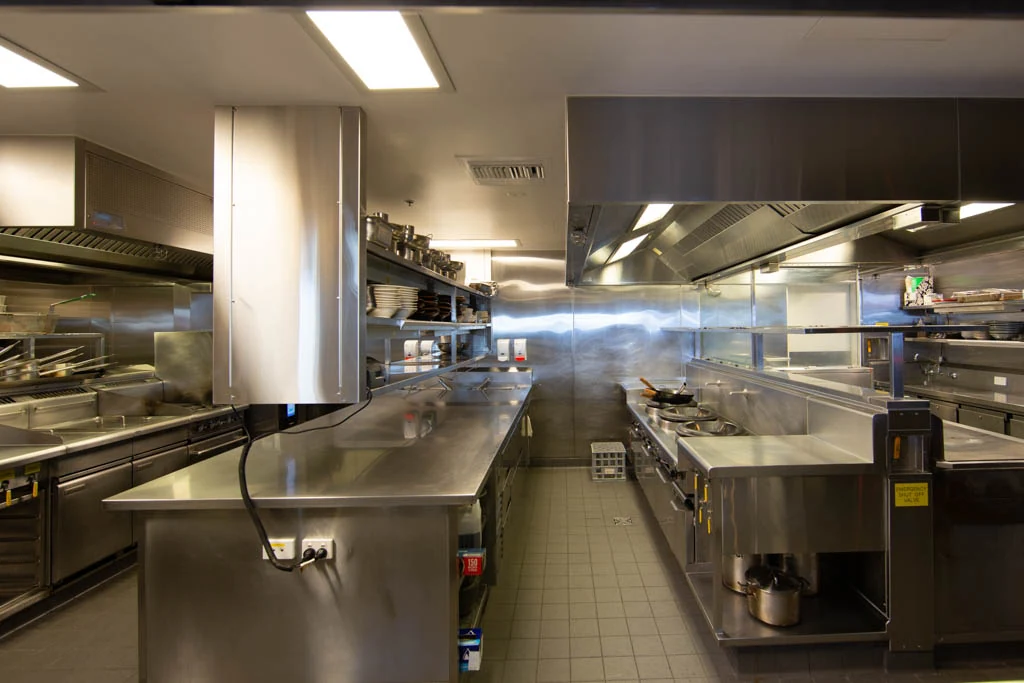
Challenge 01 01
Cleaning access
Verify that cleaners can reach the housing, mounting plane and cable interface without creating dirt traps.
Hygienic lighting combines cleanable geometry, suitable materials, controlled interfaces, environmental protection and accessible maintenance. It is not defined by one rating alone.
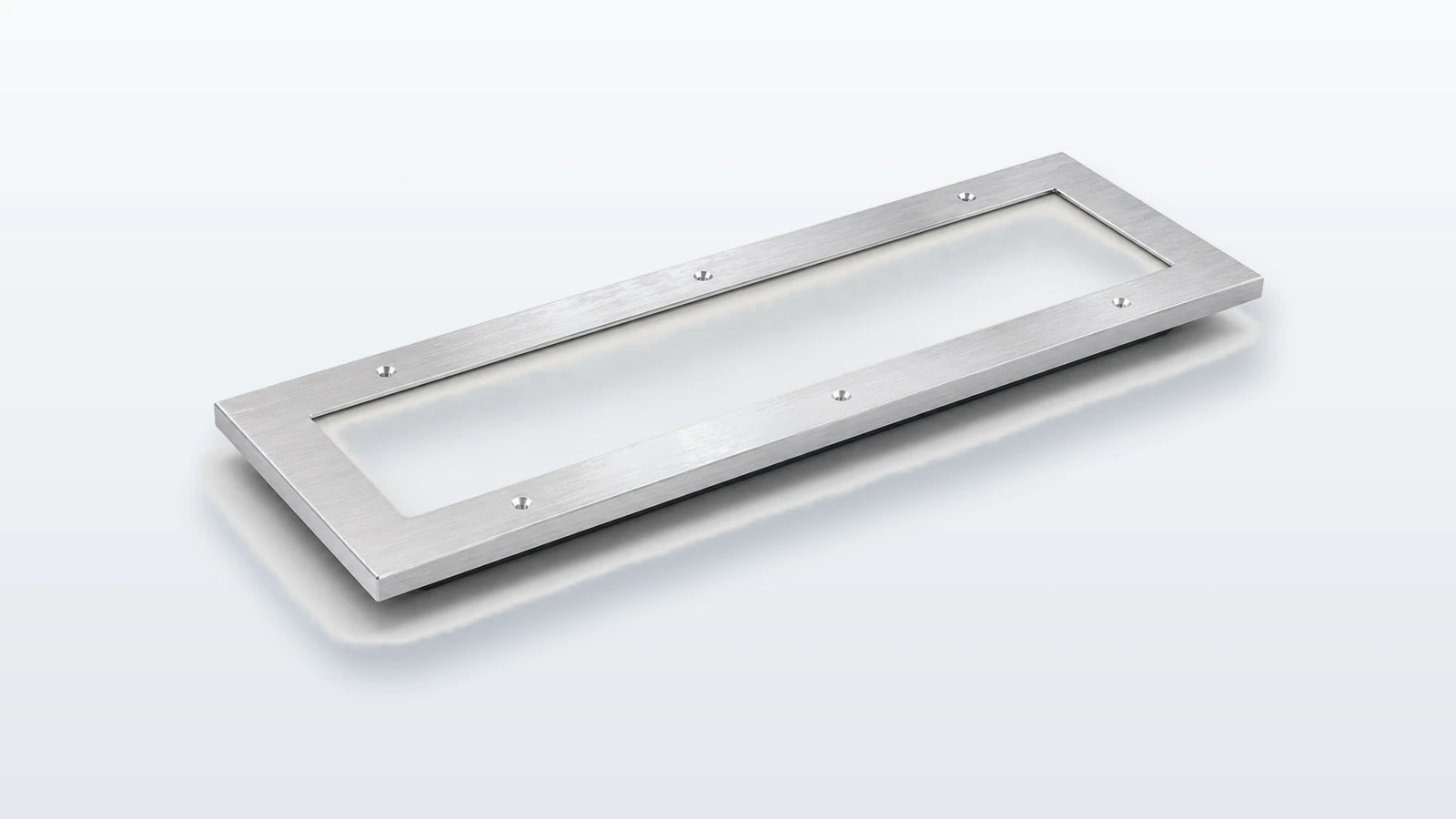
A hygienic luminaire needs more than a protection rating. The product geometry, material compatibility, cable entry, mounting interface and cleaning access must suit the actual sanitation routine.
Use the installed condition—not an unmounted product image—to evaluate these risks.
Verify that cleaners can reach the housing, mounting plane and cable interface without creating dirt traps.
Distinguish occasional splash from direct cleaning exposure, including residue left after each cycle.
Confirm that housing, seals and mounting hardware suit the stated chemicals and temperature range.
Plan inspection and replacement access before the surrounding equipment makes it difficult.
Use the documented cleaning routine and installation detail to verify the product path, not a single hygiene claim.
The exact path depends on the environment and project documents.
Connect this approach to the relevant product family and approved technical data.
Connect this approach to the relevant product family and approved technical data.
Connect this approach to the relevant product family and approved technical data.
Zone-level classification prevents one generic specification from being applied everywhere.
Assess exposure, cleaning, mounting and service access.
Assess exposure, cleaning, mounting and service access.
Assess exposure, cleaning, mounting and service access.
Assess exposure, cleaning, mounting and service access.
Assess exposure, cleaning, mounting and service access.
Answers are concise and do not replace controlled product documents.
Hygienic lighting combines cleanable geometry, suitable materials, controlled interfaces, environmental protection and accessible maintenance. It is not defined by one rating alone.
Not automatically. Each zone and installation should be reviewed separately.
Provide drawings, environmental conditions, cleaning method, mounting, dimensions and required documents.
Use the approved model datasheet and installation instructions.
Share the application, environment, cleaning method, drawings and required documentation.